







Search Results for: Pour-Over Water Temperature and Coffee-to-Water Ratio
Pour-over coffee method step-by-step guide | What is the best golden coffee-to-water ratio for pour-over? How to adjust water temperature and brewing time parameters?
The charm of pour-over coffee lies in the ability to adjust various subtle parameters and tweak the extraction variables at different stages to achieve a cup with the flavor and mouthfeel you enjoy. Front Street Coffee believes that the coffee-to-water ratio is a very important parameter affecting pour-over coffee. Mastering the coffee-to-water ratio not only makes the extraction more stable but also allows the flavor to present more [more…]
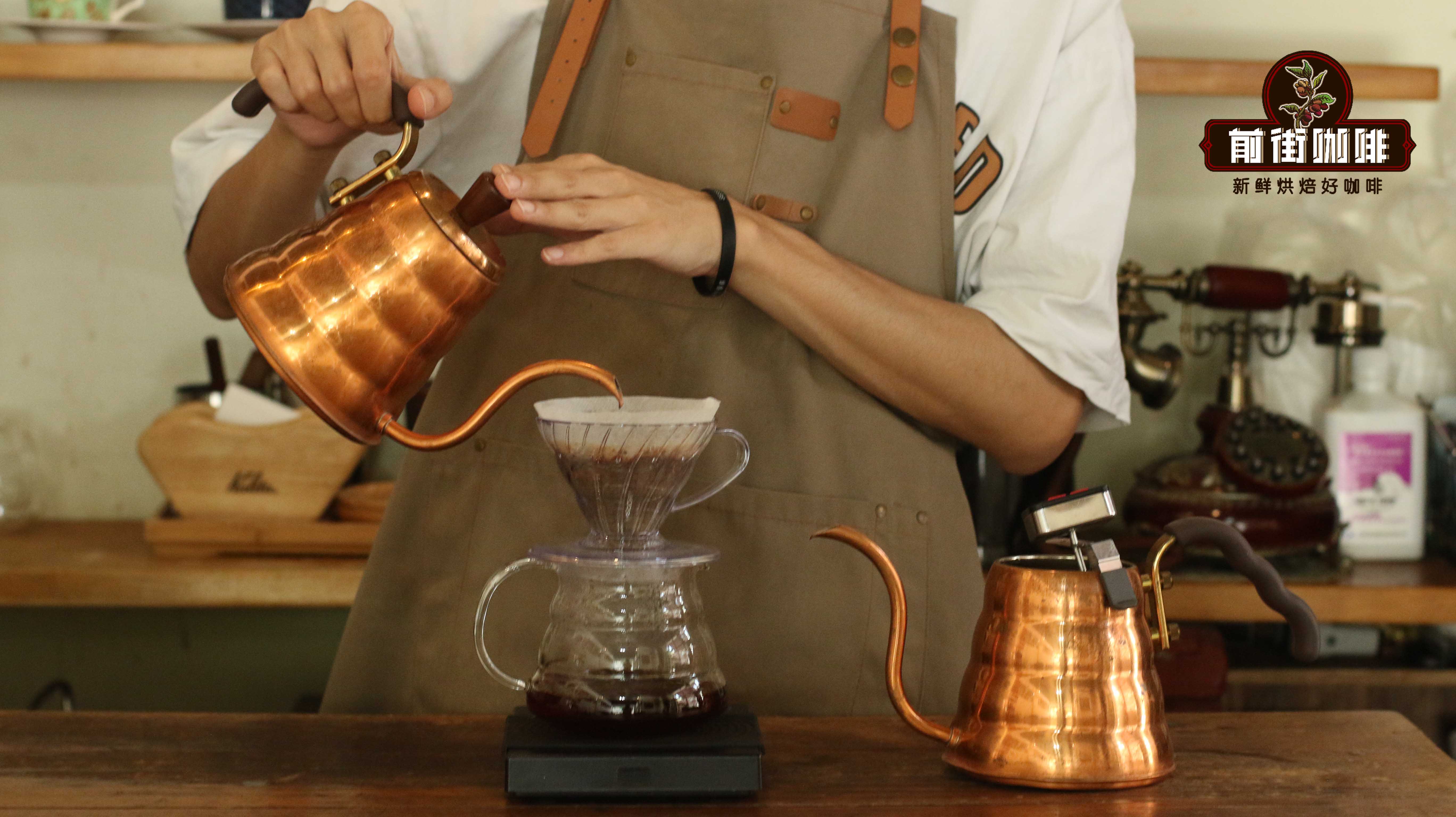
How to Choose the Coffee-to-Water Ratio for Pour-Over? Testing Flavor Differences from 1:15 to 1:18 Using Butterfly Geisha as an Example
Among the many variables in pour-over coffee, the brew ratio is often overshadowed by grind size and water temperature, yet the amount of water directly determines the direction of the final cup's flavor. Front Street Coffee used a washed Butterfly with 70% Geisha content as a sample and, while keeping grind size, water temperature, and brewing technique constant, conducted comparative brews using four brew ratios: 1:15, 1:16, 1:17, and 1:18, recording the extraction time and flavor performance of each ratio one by one. Starting from actual brewing data, this article will analyze how different brew ratios affect the concentration, complexity, and aftertaste of coffee, helping coffee enthusiasts find the brew ratio that better showcases the characteristics of flavor-rich beans like Geisha. [more…]
Pour-Over Coffee Strength Adjustment Guide: Key Parameters and Techniques Beyond the Coffee-to-Water Ratio
In the world of pour-over coffee, adjusting strength seems simple—want it stronger, use less water; want it weaker, use more water. However, when changes to the coffee-to-water ratio go beyond a reasonable range, the extraction yield also shifts, which in turn affects the overall flavor of the coffee. This article uses Front Street Coffee's commonly used 1:15 coffee-to-water ratio as an example to explain in detail how to adjust strength while coordinating parameters such as water temperature and grind size to avoid under-extraction or over-extraction. In addition, it introduces the simple method of diluting strength by adding water (bypass) and reminds readers of precautions during operation. Whether you are pursuing a rich mouthfeel or a light flavor, these practical tips can help you control every cup of coffee more precisely. [more…]
How to determine the pour-over coffee grounds-to-water ratio? Bean roast level (light, medium, dark) brewing ratio selection and practical analysis
When brewing pour-over coffee, you've dialed in the temperature and grind size, yet the taste still falls short of expectations? The problem likely lies in the coffee-to-water ratio. The amount of water directly affects the flavor expression and mouthfeel layers of the coffee: too little water makes it overly heavy, with flavors compressed together and hard to distinguish; too much water makes it overly thin, even like a cup of water with a hint of coffee flavor. This article starts from the theoretical range of the Golden Cup extraction, combines actual brewing tests across light, medium, and dark roasts, analyzes how three coffee-to-water ratios—1:13, 1:15, and 1:17—perform differently on various beans, and explains why light-roasted beans suit a longer ratio while dark-roasted beans are better with a tighter ratio. Finally, it will explain how the coffee-to-water ratio should be adjusted as the brewing device changes. [more…]
The Hot vs. Iced Pour-Over Coffee Dilemma: From Coffee-to-Water Ratio and Water Temperature to Grind Size, Exploring the Real Reasons Behind Flavor Differences
Should pour-over coffee be enjoyed hot or iced? Many coffee lovers hesitate when making this choice. Front Street Coffee has always recommended: if you want to experience a fuller flavor profile, it's best to choose hot pour-over. This article uses a comparative experiment, using the same coffee beans and brewing method, changing only the coffee-to-water ratio and grind size, to intuitively demonstrate the differences between hot pour-over and iced pour-over in extraction yield, flavor layering, and mouthfeel. The article lists the specific parameters for hot pour-over and iced pour-over in detail, analyzes the impact of water volume and grind size on extraction, and explains why iced pour-over requires parameter adjustments, why coffee shops charge extra for iced pour-over, and why you should drink it hot if you want to enjoy the flavor. [more…]
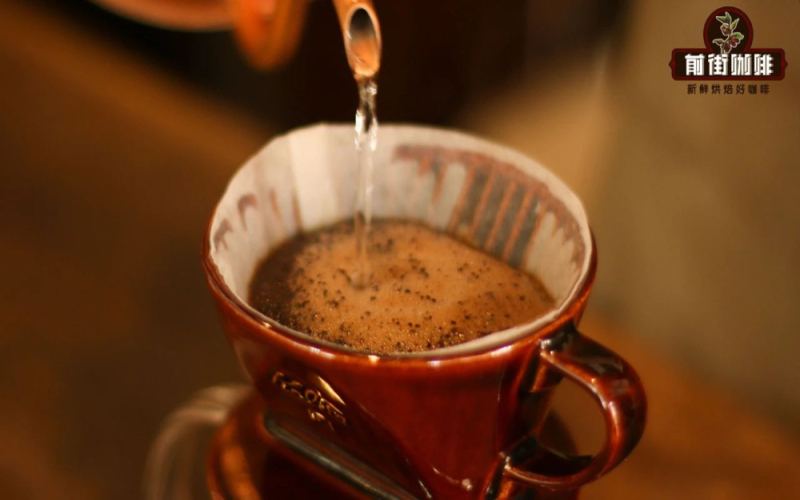
Pour-Over Coffee Beginner's Guide: 10 Key Techniques for Mastering Grind, Water Temperature, Coffee-to-Water Ratio, and Pouring
To brew a full-flavored single-origin coffee at home, having good coffee beans alone is not enough. From grind size, water temperature, coffee-to-water ratio to pouring rhythm, every step directly affects the taste in the final cup. In this article, Front Street Coffee systematically sorts out the core knowledge of pour-over coffee, including the flavor characteristics of coffee beans from different regions, the impact of various brewing parameters on extraction results, and the detailed operating steps of the three-stage pouring technique. It also reviews the seven categories of equipment needed for pour-over, and using Ethiopian Yirgacheffe Gutingting coffee beans as an example, shares complete brewing data and flavor performance, helping coffee lovers reliably reproduce a good cup of coffee at home. [more…]
Beginner's Guide to Pour-Over Coffee | How Much Water Should You Use When Brewing Pour-Over Coffee? Is the Pour-Over Coffee Coffee-to-Water Ratio Always 1:15? What Factors Affect the Flavor of Pour-Over Black Coffee?
The coffee-to-water ratio is a very important parameter in pour-over coffee. Put simply, with a fixed amount of coffee grounds, there is an amount of water that is just right to bring out the aroma of the coffee to the fullest. Therefore, learning to find the correct coffee-to-water ratio is also an important part of learning to brew coffee. What is the coffee-to-water ratio? [more…]
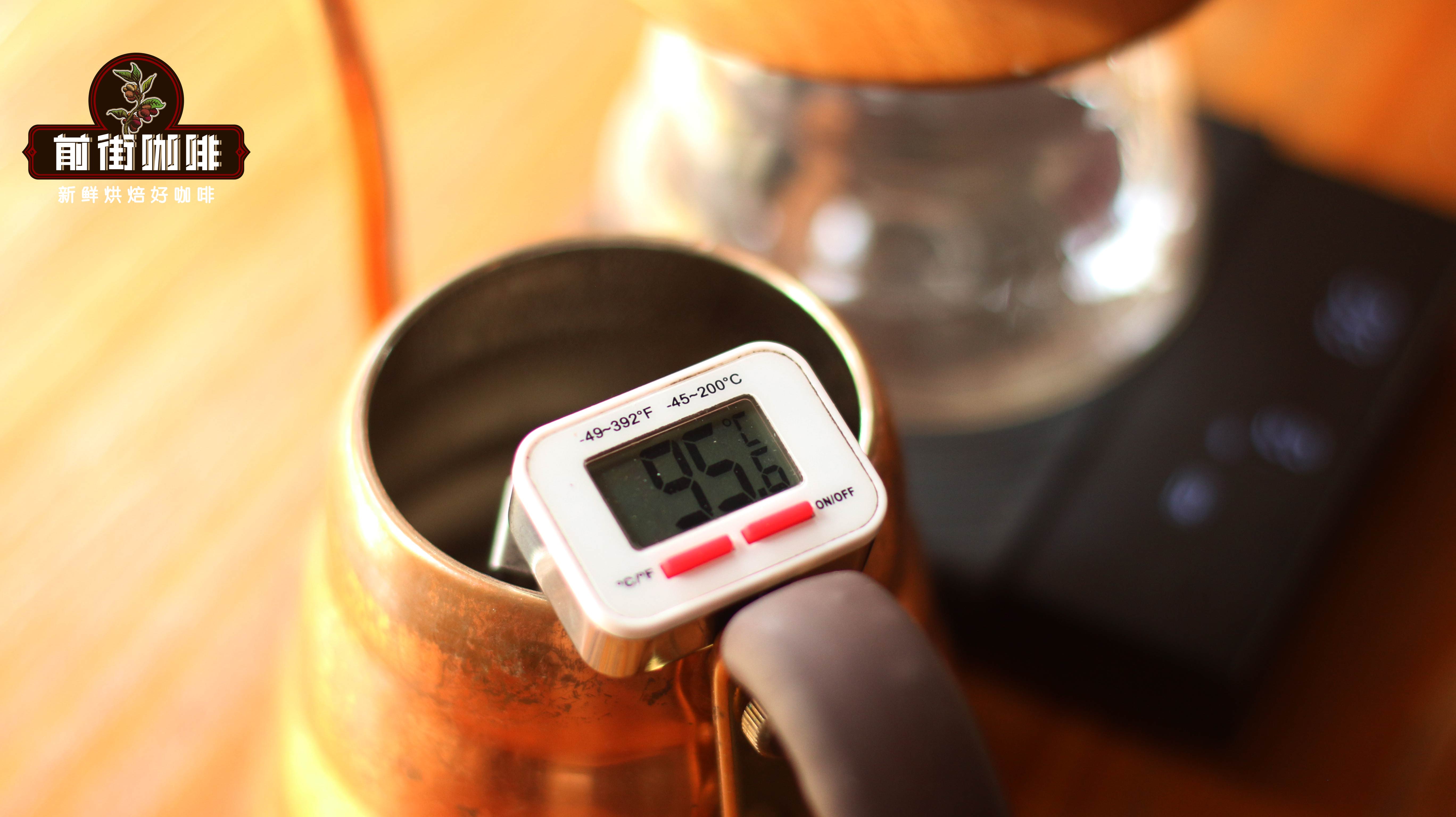
Master Freshness, Grind Size, Water Temperature, and Coffee-to-Water Ratio: Brewing Pour-Over Coffee from Four Major Regions—Yirgacheffe, Mandheling, Kenya, and Brazil
Yirgacheffe, Mandheling, Kenya, and Brazil are the four major coffee regions most familiar to coffee enthusiasts, and each has its own distinctive brewing approach. In this article, Front Street Coffee will explain the four key elements of pour-over brewing—freshness, grind size, water temperature, and coffee-to-water ratio—and provide specific brewing parameters and techniques for a representative bean from each of the four regions. The article will also cover the principles of bean resting and degassing, how to calibrate grind size using a standard sieve, and the taste differences brought about by different coffee-to-water ratios under the SCA Golden Cup extraction theory, helping you brew these four common single-origin coffees to taste even better. [more…]
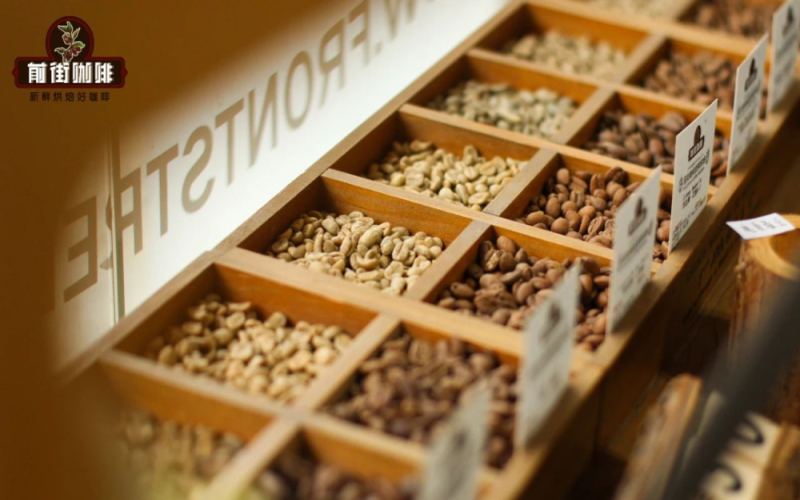
How to Determine the Coffee-to-Water Ratio for Pour-Over? A Comprehensive Analysis from the Golden Cup Extraction Standard to Practical Parameters
For enthusiasts who are just getting into pour-over coffee, the coffee-to-water ratio is often the first source of confusion: exactly how much coffee grounds should be paired with how much water? Starting from the hands-on experience of Front Street Coffee, this article systematically sorts out the definition of pour-over coffee, the logic for determining the coffee-to-water ratio, the concentration range of the SCAA Golden Cup extraction standard, and the seven major factors that affect extraction. The article not only provides the calculation basis for the general parameter of 1:15, but also explains in detail key steps such as grind size correction, water temperature selection, and dripper choice. Finally, it includes the specific brewing recipe and flavor description for Front Street Yirgacheffe Gedingding, helping beginners build a complete framework of pour-over knowledge. [more…]
A Detailed Guide to Pour-Over Coffee Ratios: Staged Pouring, Water Temperature, Grind Parameters, and a Three-Stage Practical Guide
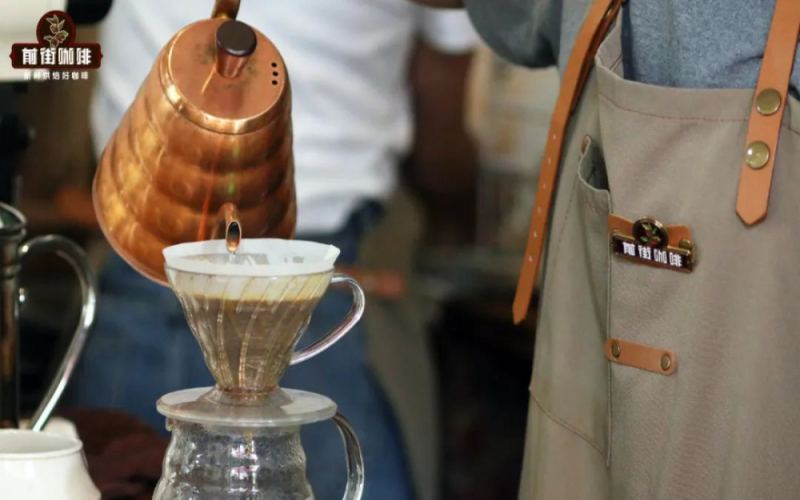
The charm of pour-over coffee lies in the ability to flexibly adjust various parameters, and the coffee-to-water ratio is the core variable that determines strength and extraction. Starting from the definition of the coffee-to-water ratio, this article analyzes how the amount of water poured affects strength and extraction yield, explains how to choose a suitable ratio based on the characteristics of the beans, and breaks down in detail the principles and methods of staged pouring. Using the 15 g dose and 1:15 to 1:16 ratio commonly used at Front Street locations as an example, along with parameters such as water temperature and grind size, it provides a three-pour brewing procedure suitable for beginners, helping enthusiasts build their own brewing framework. [more…]
Pour-Over Coffee Ground-to-Water Ratio Tested: Using Blue Label Geisha as an Example, Which Ratio from 1:15 to 1:18 Is More Suitable?
Among the many variables in pour-over coffee, the coffee-to-water ratio is often overshadowed by grind size and water temperature, yet its influence on the final flavor profile cannot be ignored. Using the Blue Label Geisha from Panama's Hacienda La Esmeralda as a sample, Front Street Coffee fixed the grind size, water temperature, and brewing technique, changing only the coffee-to-water ratio, and conducted comparative brews with four parameter sets: 1:15, 1:16, 1:17, and 1:18. By recording the extraction time and flavor performance of each cup, the differences in coffee concentration, complexity, sweetness, and aftertaste under different ratios were analyzed, offering a reference for ratio selection when brewing flavor-rich beans like Geisha in daily practice. [more…]
Pour-Over Coffee Three-Stage Extraction Explained: Full Analysis of 1:15 Coffee-to-Water Ratio, Water Temperature, Grind Size, and Brewing Parameters
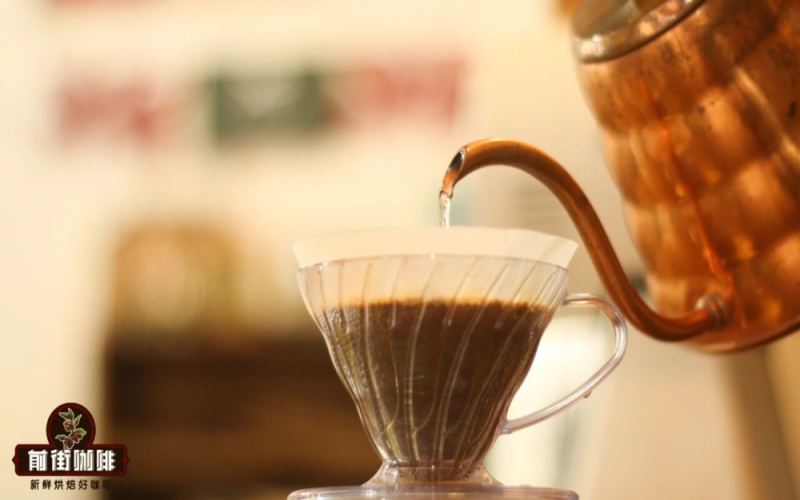
What exactly should the coffee-to-water ratio for pour-over coffee be? Front Street Coffee has long adhered to the 1:15 ratio, a choice backed by both experimental data and the stability it brings to daily brewing. This article begins by distinguishing between the coffee-to-water ratio and the extraction liquid ratio, explains how the water absorbed by coffee grounds affects the final liquid volume, and then, in conjunction with the SCA Golden Cup extraction range, clarifies why 1:15 performs more evenly across commonly available beans. It then provides a complete breakdown of the three-stage pouring technique, including blooming, water volume, water level control, and flavor integration, helping coffee enthusiasts understand the flavor molecules corresponding to each extraction stage, and offering a brewing process that can be put into practice directly. [more…]

Panama Geisha Pour-Over Coffee | Is the coffee-to-water ratio for pour-over always 1:15? What grind size is suitable for pour-over single-origin beans?
Pour-over coffee is a process where flavor extraction and filtration happen simultaneously, with extraction occurring centered around the spot where water is poured, and the key lies in how to control and balance it. At Front Street, when adjusting pour-over coffee parameters, we usually consider the grind size of the coffee beans and the brewing water temperature first, but in fact the coffee-to-water ratio is also very important. During brewing, the water [more…]

Iced Pour-Over Coffee Brewing Guide: A Practical Guide to Coffee-to-Water Ratio, Ice Amount, and Grind Size Adjustment
On a hot summer day, a glass of iced pour-over coffee is the refreshing first choice for many coffee lovers. But many people find that when they make it at home or in the office, the flavor always seems thin and watery. This article sorts out three key details of iced pour-over coffee: adjusting the coffee-to-water ratio, calculating the ratio of ice to brewed coffee, and subtle changes in grind size, along with alternative solutions for common problems such as grinder limitations and too many fines. At the same time, according to different flavor preferences, it recommends a variety of beans suitable for iced brewing, including Front Street Coffee Fruit Ding Ding, Front Street Coffee Strawberry Candy, Front Street Coffee Xizhua, Front Street Coffee 2013 Sun-Dried Typica, Front Street Coffee Bird of Paradise, Front Street Coffee PWN Golden Mandheling, and Front Street Coffee Queen's Estate, helping you consistently make a delicious glass of iced pour-over in summer. [more…]

Pour-Over Coffee Strength Adjustment Techniques: How Coffee-to-Water Ratio and Parameter Adjustments Affect Flavor Expression
The most direct way to adjust the strength of pour-over coffee is through the coffee-to-water ratio. If you want a bolder cup, reduce the amount of water poured; if you prefer something lighter and more refreshing, simply increase the water. However, changing the coffee-to-water ratio doesn't just affect concentration—it also shifts the extraction yield. Within the parameters recommended by Front Street Coffee, 1:15 to 1:16 works for most coffee beans: 1:15 gives a solid body and full flavor, while 1:16 is lighter and more layered. If you're brewing a dark roast and want it stronger, jumping straight to 1:13 may lead to under-extraction and a missing finish—this is where grind size and water temperature come in to help. This article will systematically sort through various approaches to adjusting concentration, including coffee-to-water ratio, grind coarseness, water temperature changes, and the By Pass technique, to help you find the balance point across different roast levels. [more…]
A Complete Step-by-Step Guide to Pour-Over Coffee for Beginners: Six Key Variables from Bean Freshness to Extraction Time
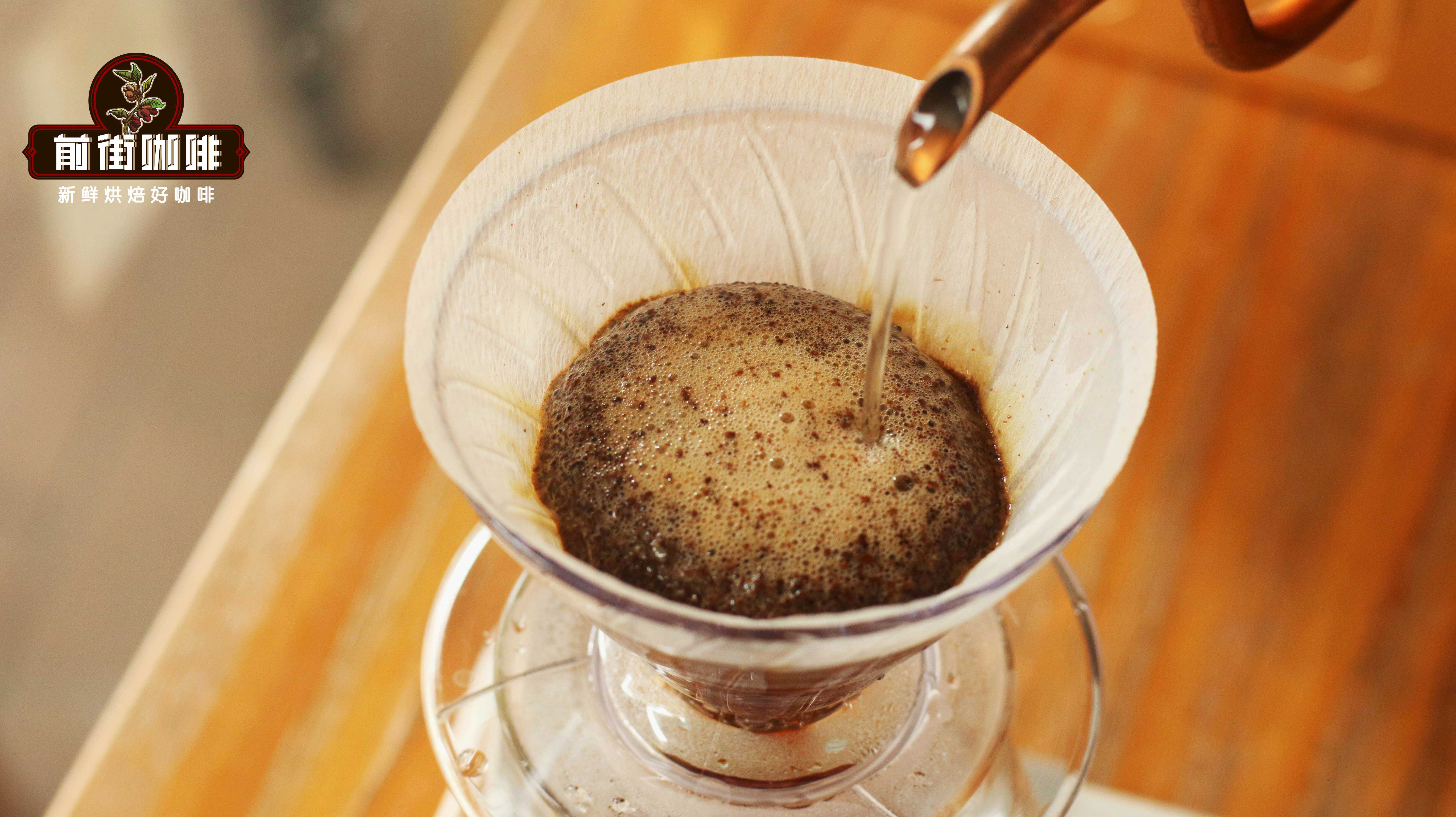
Pour-over coffee may seem complicated, but every pour is actually full of a soothing sense of ritual. Yet mood swings, pouring rhythm, grind size, water temperature… a deviation in any one of these will make the final flavor vastly different. The six major factors affecting pour-over extraction—coffee bean freshness, grind size, coffee-to-water ratio, brewing water temperature, pouring technique, and extraction time—are all interconnected, and pulling one thread moves the whole system. In this article, Front Street will break down one by one the specific mechanisms by which these six variables affect flavor, and provide grind sifting-rate recommendations for light-roast and medium-dark-roast beans, a coffee-to-water ratio range of 1:14 to 1:18, water temperature references of 90-91°C and 88-89°C, and a complete demonstration of three-pour brewing, to help beginners build a stable, reproducible brewing framework. [more…]
Front Street Coffee Pour-Over Huakui 8.0 Coffee Tutorial: A Detailed Guide to Grind Size, Water Temperature, and Coffee-to-Water Ratio
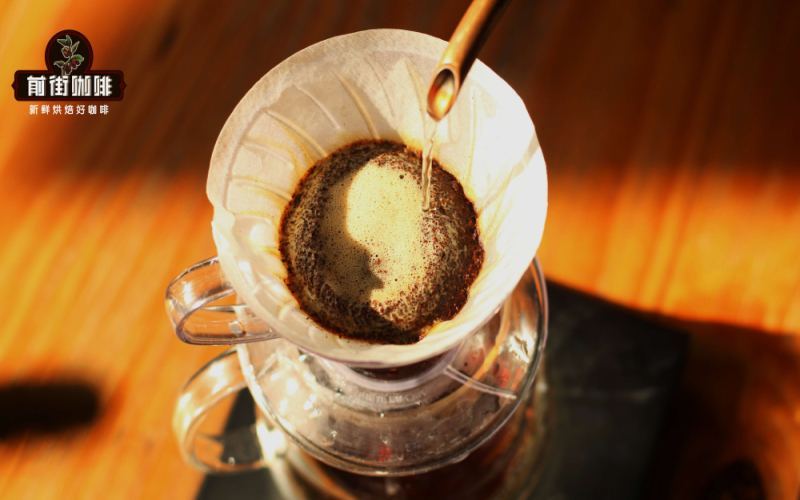
To brew a delicious Huakui coffee at home, mastering the core parameters is key. Front Street Coffee is often asked how to brew a good cup of coffee. In fact, aside from human factors, the four major elements that determine coffee flavor are dose, grind size, water temperature, and coffee-to-water ratio. This article uses Front Street Sidamo Huakui 8.0 as an example to explain in detail the pour-over parameter settings and the three-stage pouring technique, from 15g of coffee, a 1:15 coffee-to-water ratio, and 91°C water temperature to a grind size with an 80% passing rate, with specific operating instructions for each step. Huakui 8.0 uses the traditional natural process and features rich flavors of honey, berries, guava, jackfruit, and more. It is affordably priced and very suitable for beginners as a practice daily coffee. [more…]

Pour-Over Coffee Beginner's Guide: Extraction Principles, Coffee-to-Water Ratio, and Key Points of the Three-Pour Technique
Many people think coffee is inherently bitter, but in reality, bitterness often comes from improper extraction. This article starts from the underlying logic of coffee extraction, introduces the origins and basic process of pour-over coffee, and around the four variables of coffee-to-water ratio, grind size, water temperature control, and extraction time, provides the three-stage pouring method recommended by Front Street Coffee along with practical parameters for a 1:15 coffee-to-water ratio. Whether you are a beginner just getting into pour-over or a veteran looking to achieve consistent results, you can find a reproducible brewing approach here. [more…]
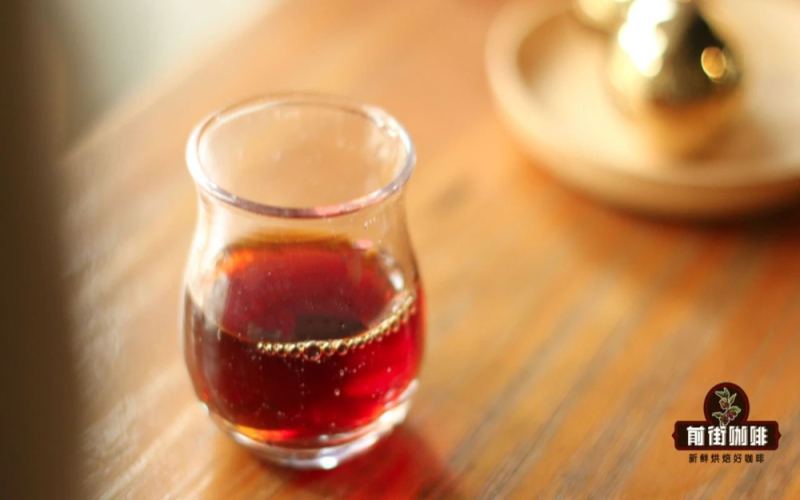
How to determine the coffee-to-water ratio for pour-over? The effects of water volume on strength and extraction yield, and approaches to parameter adjustment
In pour-over coffee, the coffee-to-water ratio may seem like just a simple number, yet it directly determines the strength of the coffee and the direction of the extraction yield. A little more or a little less water, and the flavor can be completely different. Starting from Front Street's extraction practice, this article brews 15 grams of medium-light-roasted Kenya Asalia at three ratios—1:10, 1:15, and 1:20—and compares the strength and extraction yield data to explain why 1:15 is merely a safe starting point rather than the only answer. At the same time, it discusses the subtle changes brought by 5 milliliters of water, and sorts out the commonly used range of 1:13–1:18 along with adjustment suggestions for high-density beans, helping you find a coffee-to-water ratio that better suits your own taste. [more…]
Easy for Beginners to Master: Key Parameters for Pour-Over Coffee and a Detailed Guide to the Three-Pour Technique
Pour-over coffee may seem to involve quite a few steps, but once you master the core variables, even beginners can brew a consistently good cup. This article focuses on six aspects—coffee bean freshness, grind size, coffee-to-water ratio, water temperature, pouring technique, and extraction time—explaining one by one how they affect the final flavor, and providing Front Street Coffee's recommended parameters and specific brewing demonstrations for everyday pour-over. The article also includes grinding and sieving suggestions for light-roast and medium-dark-roast beans, the classic 1:15 ratio, water temperature ranges for different roast levels, and the complete three-pour process, helping you recreate a layered, balanced, and smooth pour-over coffee at home. [more…]